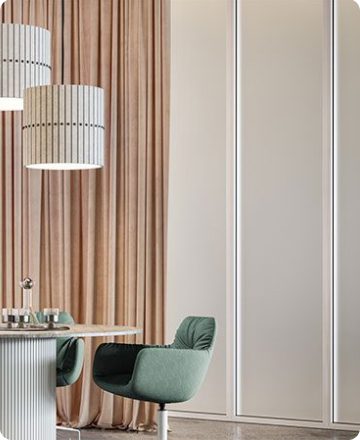
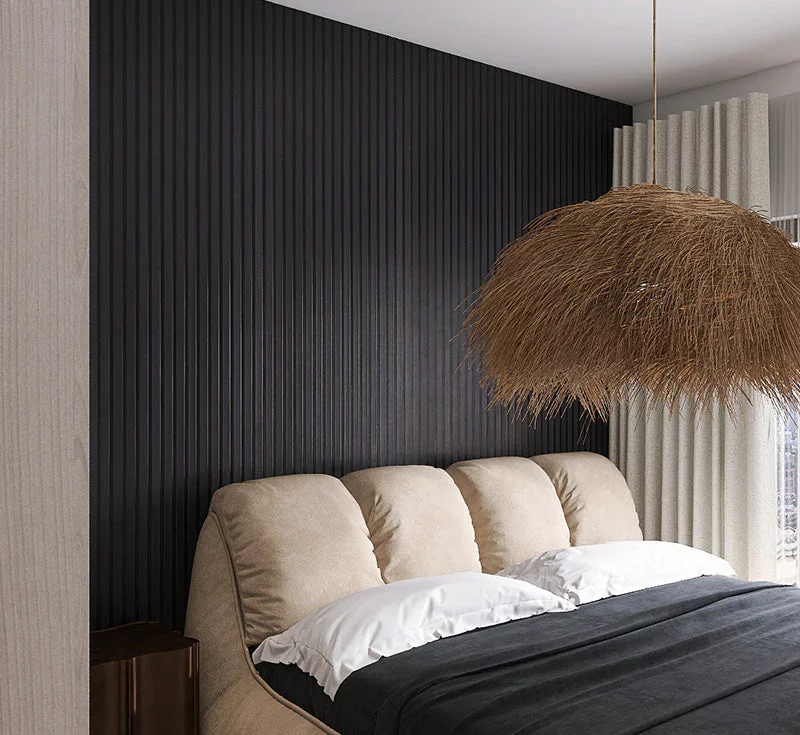

Textured acrylic sheets provide a modern alternative to traditional wall finishes for commercial interiors. They combine visual depth, light diffusion and durability, making them suitable for feature walls in retail, hospitality, workplace and architectural spaces.
Key Takeaways
- Textured acrylic sheets create visual depth and light diffusion for interior feature walls.
- Acrylic panels are lighter and easier to fabricate than many traditional wall materials.
- Designers and trades use them in retail, hospitality and office fitouts.
- Panels can be cut, etched or customised using fabrication services to suit project requirements.
Why Designers Are Using Textured Acrylic for Feature Walls
Feature walls are often used to define spaces, introduce texture or highlight brand identity within commercial interiors. Materials that combine visual impact with practical performance are therefore increasingly popular with architects and designers.
Textured acrylic sheets offer a design-forward option for these applications. Their surface finishes can diffuse light, create subtle patterns or add depth to flat wall surfaces, making them well suited for modern interior environments.
Because acrylic is lightweight and versatile, textured panels are often used in projects where installation efficiency and durability are important considerations.
A Modern Alternative to Traditional Wall Materials
Traditional feature wall materials such as glass, timber panelling or stone can introduce design constraints in commercial environments. These materials are often heavier, harder to fabricate or more difficult to install within tight project timelines.
Textured acrylic sheets provide a practical alternative while still delivering a premium visual finish. Products such as Perspex® acrylic sheets are widely specified for interior features due to their clarity, durability and fabrication flexibility.
Acrylic panels can be produced in a range of textures and finishes that allow designers to create decorative wall surfaces while maintaining the durability required for commercial spaces.
Fabrication Flexibility for Custom Wall Designs
One of the advantages of acrylic panels is their compatibility with modern fabrication processes. Panels can be cut, shaped and customised to suit the design requirements of a project.
Mitchell Group supports these applications through fabrication services including CNC cutting services and laser cutting. These processes allow panels to be produced in custom sizes, decorative patterns or architectural layouts for feature walls and interior installations.
This flexibility helps architects and trades integrate textured acrylic panels into joinery, wall cladding and branded interior environments.
Applications Across Commercial Interiors
Textured acrylic panels are increasingly used across commercial interiors where both visual design and material performance are important.
Common applications include feature walls in reception areas, decorative panelling in hospitality venues, branded installations in retail spaces and architectural elements within office interiors.
Designers and trades often specify these materials for projects involving interior fitouts and commercial architectural applications, where lightweight panels and custom finishes can support both design and installation requirements.
A Versatile Material for Architectural Feature Walls
Textured acrylic sheets offer architects and trades a flexible way to introduce depth, light and pattern into commercial interiors. Compared with heavier wall materials, acrylic panels provide a balance of visual impact, durability and fabrication versatility.
Mitchell Group supplies a wide range of acrylic materials and supports custom panel fabrication for commercial projects across Australia. To learn more about Mitchell Group’s materials and fabrication capabilities, visit our story or explore the contact page to discuss your project requirements.