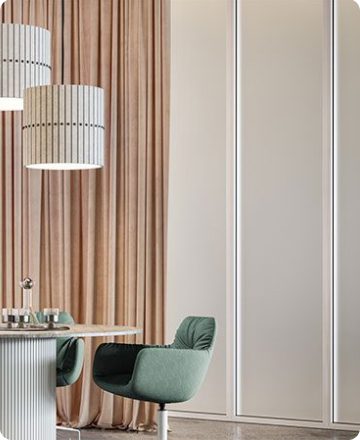
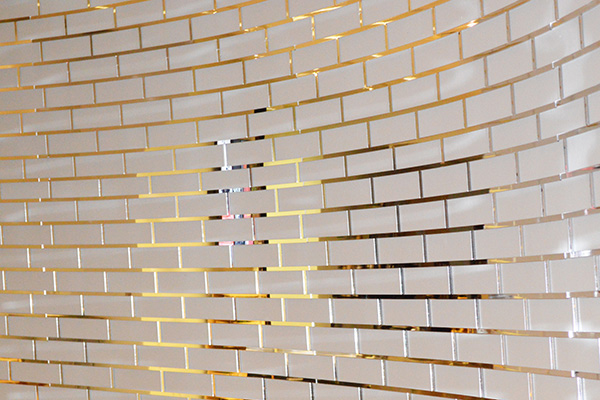

Acrylic panels are a versatile option for modern cabinet doors because they combine a clean finish, lightweight handling and fabrication flexibility. They can be specified in clear, coloured, translucent, frosted or decorative finishes for commercial cabinetry and joinery projects.
Key Takeaways
- Acrylic panels provide a lightweight and design-flexible option for cabinet doors.
- A wide range of colours, finishes and transparency levels can support different interior styles.
- Acrylic can be cut, drilled and fabricated to suit custom cabinetry dimensions.
- Perspex® and framed acrylic door systems can be used across commercial joinery, retail and workplace interiors.
- Material thickness, fixing methods and intended use should be considered during specification.
Why Use Acrylic Panels for Cabinet Doors?
Modern cabinetry increasingly combines practical storage with interior design. Cabinet doors need to perform reliably while also contributing to the appearance of the finished space.
Acrylic panels for cabinetry provide designers, joiners and shopfitters with a material that can be adapted to different colours, finishes and levels of transparency.
Unlike a standard painted surface, acrylic can introduce gloss, translucency, colour depth or visual contrast directly through the panel material.
This makes it useful across commercial kitchens, retail joinery, workplace storage, hospitality interiors and custom display cabinetry.
What Are the Benefits of Acrylic Cabinet Doors?
Acrylic offers several practical and visual advantages for cabinet door applications.
Lightweight Construction
Acrylic is lighter than glass, which can make larger door panels easier to handle during fabrication and installation.
Reducing panel weight may also be useful where designers are working with larger doors, overhead cabinetry or hardware systems with specific load requirements.
Colour and Finish Options
Acrylic sheets are available in a wide variety of appearances, including:
- Clear
- Solid colours
- Translucent finishes
- Frosted surfaces
- Textured effects
- Mirrored finishes
The Perspex® acrylic range gives designers access to multiple colours and finishes that can be integrated into cabinetry and interior schemes.
Fabrication Flexibility
Acrylic can be cut and processed to suit project-specific dimensions, openings and shapes.
This allows joiners to incorporate acrylic into customised cabinetry rather than designing around standard panel sizes.
Where Are Acrylic Cabinet Doors Used?
Acrylic cabinet doors can suit a range of commercial interior applications.
Retail and Shopfitting
Retail cabinetry often needs to combine storage with product presentation and branding.
Coloured, translucent or clear acrylic can be used for display cabinets, merchandise storage, counters and customer-facing joinery where visual presentation is important.
Workplace Interiors
Modern workplaces frequently incorporate built-in storage, lockers, kitchens and shared cabinetry.
Acrylic panels can introduce colour or transparency into these areas while maintaining a clean, contemporary appearance.
Hospitality Interiors
Restaurants, cafés, hotels and bars can use acrylic cabinet fronts to complement lighting, colour schemes and decorative interior features.
Translucent materials can also interact with integrated lighting to create illuminated cabinetry or display features.
Commercial Joinery
For custom joinery packages, acrylic panels can be coordinated with other surface materials to create feature doors, inserts or contrasting cabinet fronts.
Framed Acrylic Cabinet Door Systems
Acrylic does not always need to be used as a standalone panel.
Systems such as Alifrost® Doors combine aluminium framing with Perspex®, glass or other infill options. This allows designers to create structured cabinet doors with a clean architectural appearance.
Framed systems can be particularly useful for:
- Overhead cabinetry
- Display cabinets
- Wardrobe doors
- Commercial kitchens
- Retail joinery
- Workplace storage
The choice between a frameless acrylic panel and a framed door system depends on the desired appearance, hardware requirements and intended use.
Choosing the Right Acrylic for Cabinet Doors
The right acrylic specification depends on more than colour alone.
Project teams should consider:
- Panel thickness
- Door dimensions
- Hinge and hardware requirements
- Transparency or privacy requirements
- Surface finish
- Expected level of use
- Edge treatment
- Cleaning requirements
- Fabrication and fixing methods
For commercial projects, these decisions should be made early so the material and hardware can be designed to work together.
Custom Fabrication and Material Choice for Cabinet Panels
Custom cabinetry often requires precise panel dimensions, repeatable components and the right material selection for the intended application.
Mitchell Group’s CNC cutting services support accurate acrylic fabrication, including cut-to-size panels and project-specific shapes that help improve consistency and reduce on-site adjustments—particularly in large commercial joinery packages.
When selecting materials for cabinet doors, both acrylic and glass are commonly used for transparent or decorative finishes. Glass offers higher scratch resistance and a more traditional rigid appearance, while acrylic is lighter and more flexible for custom colours, shapes and lightweight construction.
The best choice depends on design intent, performance requirements and the overall application rather than a one-size-fits-all approach.
Practical Considerations for Acrylic Cabinet Doors
Acrylic cabinet doors can be used across commercial joinery when the material, thickness and hardware are specified appropriately. They are available in clear, solid, translucent, frosted and decorative finishes, and can be CNC cut to suit custom cabinet dimensions.
Acrylic is also lighter than glass, making it useful for larger doors or applications where reducing panel weight is important. For framed systems, Alifrost® allows acrylic infills to be incorporated into aluminium-framed cabinet doors for architectural and commercial joinery.
Specify Acrylic Panels for Your Next Joinery Project
Acrylic panels give architects, designers and joiners greater flexibility when creating modern cabinet doors. With options ranging from solid colours and translucent sheets to framed door systems, acrylic can support both functional storage and distinctive interior design.
Learn more about Mitchell Group’s experience or contact the team to discuss acrylic materials and fabrication requirements for your next cabinetry project.