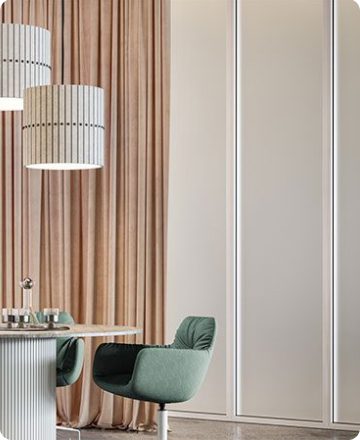
Sustainable panel materials help commercial fitouts reduce environmental impact without sacrificing durability, design flexibility or performance. Recycled acrylic, acoustic panels and responsibly specified surface materials can support greener interior projects across workplaces, retail, hospitality and public spaces.
Key Takeaways
- Recycled and lower-impact panel materials can support sustainability targets in commercial interiors.
- Sustainable materials still need to meet durability, maintenance and design requirements.
- Recycled acrylic and acoustic panels can be used across walls, joinery, screens and feature applications.
- Material transparency and recognised certifications can help support specification decisions.
Why Sustainable Panel Materials Matter in Commercial Fitouts
Commercial fitouts use large volumes of surface materials across walls, cabinetry, partitions, ceilings and decorative features. Choosing materials with recycled content or lower environmental impact can help reduce waste and support broader project sustainability goals.
For architects, designers and builders, the key is finding materials that balance environmental considerations with practical requirements such as durability, aesthetics and ease of fabrication.
Recycled Acrylic for Interior Applications
Recycled acrylic provides a more sustainable option for projects that still require the visual qualities and fabrication flexibility associated with acrylic.
Products such as recycled Perspex® can be considered for commercial interiors, retail displays, feature panels and joinery where colour, finish and custom fabrication remain important.
Because acrylic can be cut and fabricated to suit project-specific requirements, recycled options can often be integrated into the same workflows as conventional acrylic materials.
Acoustic Panels with Recycled Content
Acoustic materials are another important part of sustainable interior design, particularly in workplaces, education and hospitality environments.
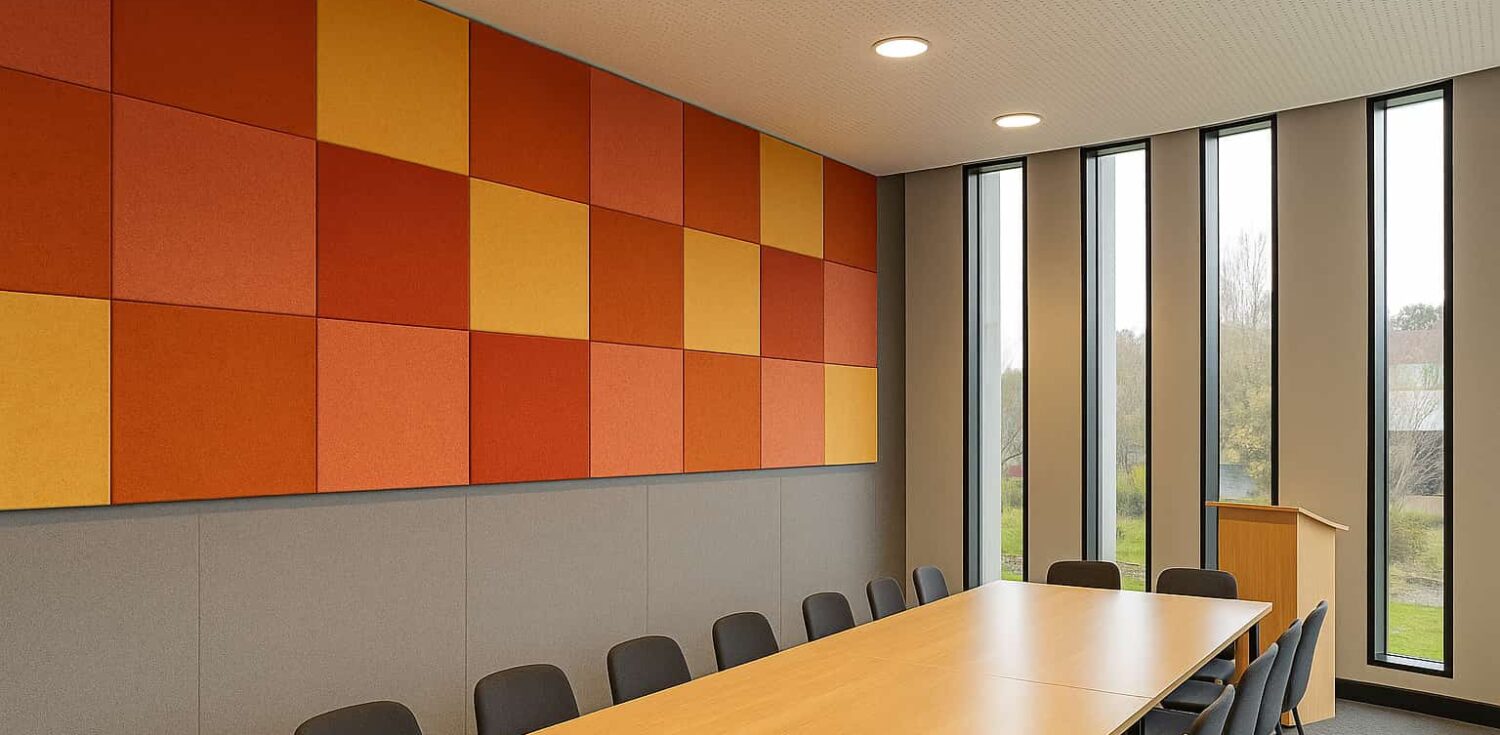
Mitchell Group’s acoustic panel range includes products designed to support sound control while also incorporating recycled content and design flexibility.
These materials can be used across:
- Acoustic wall panels
- Screens and partitions
- Ceiling applications
- Pinboards and workplace features
- Decorative acoustic installations
This allows project teams to address both acoustic performance and sustainability within the same specification.
Sustainability Certifications and Material Transparency
Sustainable specification is stronger when environmental claims are supported by recognised certifications and transparent product information.
Depending on the material, architects and specifiers may look for:
- Recycled content
- Product certifications
- Ingredient transparency
- Environmental declarations
- End-of-life considerations
- Low-emission materials
These factors can be particularly important on projects targeting frameworks such as Green Star or other sustainability benchmarks.
Choosing Sustainable Panels for the Right Application
A sustainable material still needs to suit the intended use.
For example, wall panels may require different performance characteristics from cabinetry, screens or feature surfaces. Project teams should consider:
- Expected wear and impact
- Moisture exposure
- Acoustic requirements
- Cleaning and maintenance
- Fabrication needs
- Visual finish
- Installation method
Working with a supplier that understands both material performance and commercial fitout requirements can help avoid choosing a product based on environmental credentials alone.
Build More Sustainable Commercial Interiors
Sustainable panel materials can help commercial projects reduce environmental impact while still delivering durable, practical and design-led interiors.
Mitchell Group supplies recycled acrylic, acoustic panels and other commercial surface materials for architects, designers and trades across Australia. Learn more about Mitchell Group’s experience or contact the team to discuss suitable materials for your next fitout.